


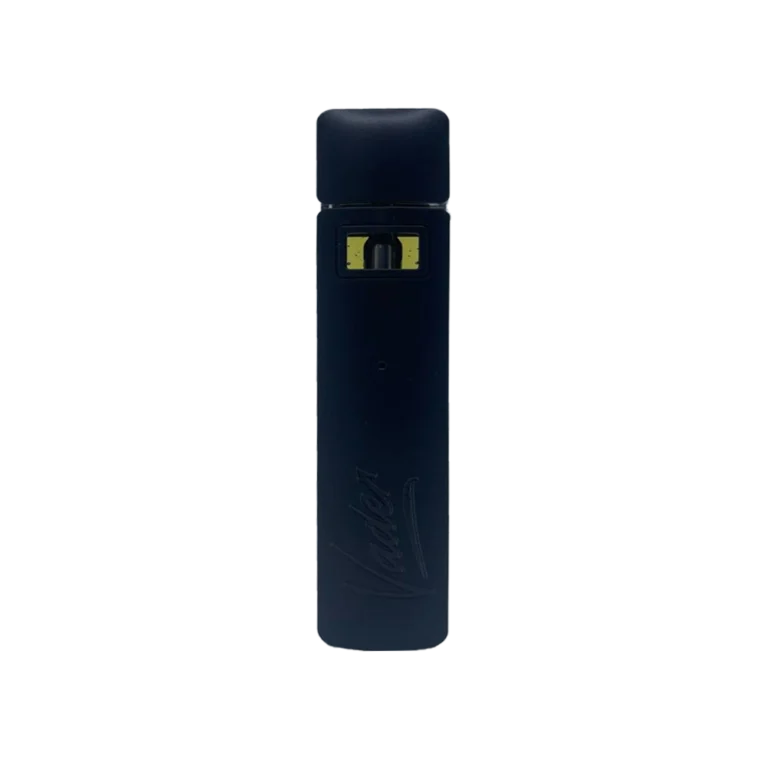
Understanding THC Oil in Vape Pens
Introduction to Understanding THC Oil in Vape Pens
Understanding THC Oil in Vape Pens is essential for anyone trying to learn how modern cannabis vaping products work. THC oil is the concentrated extract used in many vape cartridges, and it plays a central role in both potency and overall user experience. When people begin Understanding thc vape pen, they are usually trying to learn what the oil contains, how it is made, and why it behaves differently from other cannabis products.
What Is THC Oil?
THC oil is a concentrated form of tetrahydrocannabinol (THC), the primary psychoactive compound found in cannabis. This oil is typically extracted from the plant using specialized methods that separate cannabinoids and terpenes from plant material.
Depending on the production process, THC oil can vary in color, consistency, and purity. Some oils are full-spectrum, meaning they retain a wider range of cannabis compounds, while others are distillates that focus almost entirely on THC content.
Understanding THC Oil in Vape Pens and How It Works
Understanding THC Oil in Vape Pens also involves knowing how it is used inside vaping devices. Vape pens heat the THC oil to a temperature that turns it into vapor rather than smoke. This allows the user to inhale the active compounds without combustion.
Inside a vape cartridge, the oil is stored in a small chamber connected to a heating element called an atomizer. When activated, the battery powers the atomizer, which gently heats the oil. This process vaporizes the THC so it can be inhaled smoothly.
Because of this design, vape pens are often seen as a more discreet and controlled way of consuming cannabis compared to traditional methods.
How THC Oil Is Produced
The production of THC oil involves several extraction techniques. The most common methods include:
- CO₂ extraction: Uses pressurized carbon dioxide to pull cannabinoids from the plant.
- Hydrocarbon extraction: Uses solvents like butane or propane to isolate compounds.
- Ethanol extraction: Uses alcohol to extract cannabinoids and then purifies the result.
After extraction, the oil may go through additional refinement steps such as winterization and distillation to remove impurities and adjust potency. The final product is then tested for safety, consistency, and cannabinoid content before being used in vape cartridges.
Factors That Influence THC Oil Quality
Not all THC oils are the same. Several factors affect quality, including:
- Source of cannabis: High-quality plants generally produce better oil.
- Extraction method: Cleaner methods tend to preserve more beneficial compounds.
- Purity level: Residual solvents or additives can affect safety and taste.
- Terpene content: These compounds influence flavor and aroma profiles.
Consumers often prefer oils that balance potency with flavor, especially those that retain natural terpenes from the original plant.
Safety and Legal Considerations
When discussing THC oil, it is important to consider legal and safety factors. Regulations vary widely depending on the country or region. In some places, THC products are strictly regulated or prohibited, while in others they are available through licensed dispensaries.
From a safety perspective, it is crucial that THC oils are lab-tested to ensure they are free from harmful contaminants such as pesticides, heavy metals, and leftover solvents. Poor-quality or unregulated products can pose health risks.
Final Thoughts on Understanding THC Oil in Vape Pens
In conclusion, Understanding THC Oil in Vape Pens provides insight into one of the most widely used forms of cannabis consumption today. By learning how the oil is extracted, processed, and vaporized, users can better understand what they are inhaling and how the technology behind vape pens works.
Ultimately, Understanding THC Oil in Vape Pens helps clarify both the science and safety behind these devices, making it easier to make informed decisions about their use and regulation.