


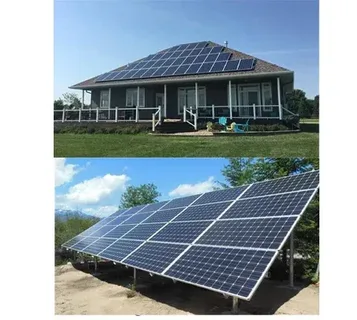
Solar System for Home: Comparing Panels, Batteries, and Inverters
In recent years, the shift towards renewable energy has made home solar systems more popular than ever. Investing in a solar system for home not only reduces electricity bills but also contributes to a greener environment. However, choosing the right components—solar panels, batteries, and inverters—can be confusing. This guide will help you understand and compare these key elements to make an informed decision.
Understanding Solar Panels
Solar panels are the heart of any solar system, converting sunlight into electricity. When comparing panels for a solar system for home, consider the following:
- Types of Panels: Monocrystalline panels are highly efficient and durable, while polycrystalline panels are more affordable but slightly less efficient. Thin-film panels are lightweight and flexible but have lower efficiency.
- Efficiency: Efficiency determines how much sunlight is converted into electricity. Higher efficiency panels are ideal for homes with limited roof space.
- Warranty and Lifespan: Most high-quality panels come with a 25-year warranty, ensuring long-term performance.
Choosing the right solar panel is crucial as it directly impacts your system’s output and energy savings.
Comparing Solar Batteries
Batteries store excess energy generated during the day for use at night or during power outages. When selecting batteries for your solar system for home, focus on:
- Battery Type: Lithium-ion batteries are popular due to their high efficiency, long lifespan, and lighter weight. Lead-acid batteries are more budget-friendly but require more maintenance and have shorter lifespans.
- Capacity: Measured in kilowatt-hours (kWh), battery capacity determines how much energy you can store. Homes with higher energy consumption may require larger battery banks.
- Depth of Discharge (DoD): A higher DoD means more usable energy, extending the battery’s effective performance.
Investing in the right battery ensures uninterrupted power supply and maximizes energy utilization.
Evaluating Solar Inverters
The inverter is a critical component that converts the DC electricity produced by panels into AC electricity for household use. Key factors to consider when comparing inverters include:
- Types of Inverters: String inverters are cost-effective for simple setups, while microinverters offer better efficiency and monitoring for each panel. Hybrid inverters combine battery storage and grid connectivity for flexible solutions.
- Efficiency Rating: Higher efficiency inverters reduce energy loss, increasing overall system performance.
- Monitoring Features: Modern inverters offer remote monitoring and diagnostics, helping homeowners track energy production and consumption in real time.
A high-quality inverter ensures that your solar system operates smoothly and efficiently.
Conclusion
Choosing the right solar system for home involves careful consideration of panels, batteries, and inverters. By comparing these components, you can design a system that meets your energy needs, fits your budget, and maximizes long-term savings. Investing in reliable and efficient equipment ensures that your home remains powered sustainably while contributing to a cleaner environment.