


The Rise of Women’s T20 Leagues Around the World
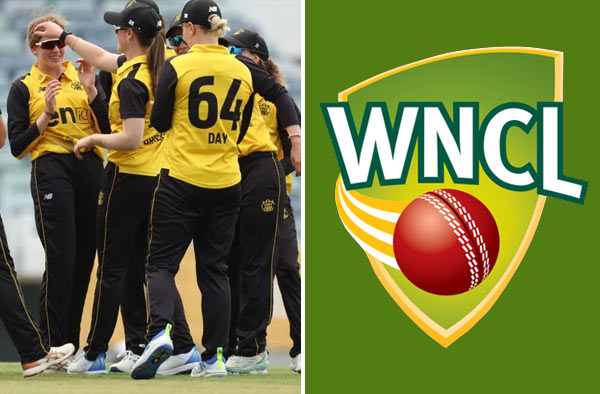
In recent years, women’s cricket has witnessed a remarkable transformation — and at the heart of this revolution lies the rise of Women’s T20 leagues. What began as small domestic tournaments has now evolved into a global phenomenon, attracting massive audiences, sponsorships, and world-class talent. From the Women’s Premier League (WPL) in India to The Hundred in England and the Women’s Big Bash League (WBBL) in Australia, these competitions have reshaped the landscape of the sport and inspired a new generation of female cricketers.
The Early Days of Women’s T20 Cricket
Women’s T20 cricket began gaining recognition in the mid-2000s when the format’s fast-paced nature started captivating Jeetbuzz fans worldwide. The first Women’s T20 International was played between England and New Zealand in 2004, and by 2009, the Women’s T20 World Cup had become an established global event.
This shorter, more dynamic format perfectly suited modern audiences — offering thrilling finishes, powerful hitting, and athletic fielding. Soon, cricket boards recognized its potential to grow the women’s game, leading to the creation of professional leagues across different countries.
The Women’s Big Bash League (WBBL): Setting the Standard
Launched in Australia in 2015, the Women’s Big Bash League (WBBL) became the first fully professional women’s T20 franchise competition. Featuring Australia’s top players alongside international stars, it provided female cricketers with consistent, high-quality competition and financial stability.
The WBBL not only elevated the standard of women’s cricket but also played a major role in inspiring younger players. The league’s popularity — with televised matches, packed stadiums, and prime-time slots — proved that women’s cricket could draw huge audiences on its own merit.
The Women’s Hundred: A New Format, Same Impact
In England, the introduction of The Hundred in 2021 further boosted women’s cricket. This 100-ball competition ran parallel to the men’s version, ensuring equal visibility and marketing for both.
Female players like Nat Sciver-Brunt, Sophie Ecclestone, and Smriti Mandhana became household names in the UK, with their performances celebrated on mainstream platforms. The Hundred’s innovative approach — with joint branding and prize pools — demonstrated how equality in exposure can drive massive fan engagement.
The Women’s Premier League (WPL): A Game-Changer
The biggest breakthrough came in 2023 when India launched the Women’s Premier League (WPL). With franchises owned by established IPL teams like Mumbai Indians, Delhi Capitals, and Royal Challengers Bangalore, the WPL instantly became one of the most lucrative women’s sporting events in the world.
Top international players such as Meg Lanning, Alyssa Healy, and Ellyse Perry joined forces with rising Indian Jeetwin talents like Shafali Verma and Richa Ghosh, creating high-quality, competitive cricket.
The WPL’s global reach, strong broadcast partnerships, and massive fan following have significantly accelerated the growth of women’s cricket — both in India and abroad. It also provided financial empowerment for female athletes, with record-breaking salaries that rival some men’s leagues.
The Rise of Other Global Leagues
Beyond the major powerhouses, several nations have also joined the movement:
- FairBreak Invitational (Hong Kong): A privately funded, ICC-sanctioned global T20 event featuring players from over 30 countries, promoting inclusivity and equal opportunity.
- Women’s Caribbean Premier League (WCPL): Established in 2022, this league brought star power and entertainment to the Caribbean, encouraging regional talent to flourish.
- Pakistan Women’s League (PWL): Set to expand in coming years, Pakistan’s domestic initiative aims to create a platform similar to the WBBL and WPL for its players.
These emerging leagues collectively strengthen the global ecosystem, offering women more opportunities to play competitive cricket year-round.
The Economic and Cultural Impact
The rise of women’s T20 leagues has had far-reaching effects beyond the boundary ropes. Sponsorships, endorsements, and media coverage for female cricketers have surged dramatically. Players like Harmanpreet Kaur, Alyssa Healy, and Sophie Devine are now recognized globally, proving that women’s cricket has commercial and cultural appeal equal to men’s.
Moreover, these leagues have helped challenge gender stereotypes and provided role models for young girls aspiring to become professional athletes. The visibility and respect earned by women’s cricket today would have been unimaginable just a decade ago.
The Role of Technology and Media
Social media and digital broadcasting have played crucial roles in amplifying the reach of women’s cricket. Highlights, interviews, and behind-the-scenes content are shared widely across platforms, helping fans connect with players on a personal level.
Streaming services have made it easier for fans worldwide to follow tournaments, further expanding the sport’s global fanbase. The combination of accessibility and storytelling has turned players into global icons.
Challenges Still Ahead
Despite the rapid growth, women’s cricket still faces challenges — including limited infrastructure in some regions, unequal pay scales, and fewer domestic pathways compared to men.
However, with major cricket boards and the International Cricket Council (ICC) increasingly prioritizing gender equality, progress continues at a promising pace. The inclusion of women’s cricket in the 2028 Los Angeles Olympics will also provide another powerful boost to its global profile.
The Future of Women’s T20 Leagues
The next decade promises even greater opportunities. As more nations launch professional leagues, the women’s T20 circuit could evolve into a truly global network — similar to the men’s franchise ecosystem.
With increasing investment, media attention, and fan enthusiasm, women’s cricket is no longer an afterthought — it’s a central force shaping the future of the game. The rise of these leagues represents not just a sporting revolution but a social one, proving that talent, dedication, and entertainment transcend gender.
FAQ
- Which was the first major women’s T20 league in the world?
The Women’s Big Bash League (WBBL), launched in Australia in 2015, was the first major professional T20 league for women. - How has the Women’s Premier League (WPL) impacted global cricket?
The WPL has elevated the visibility, earnings, and professionalism of women’s cricket, attracting global attention and inspiring similar leagues worldwide. - What’s next for women’s T20 leagues?
Future developments include new leagues in emerging cricket nations, stronger youth academies, and greater integration with international cricket calendars to support year-round competition.